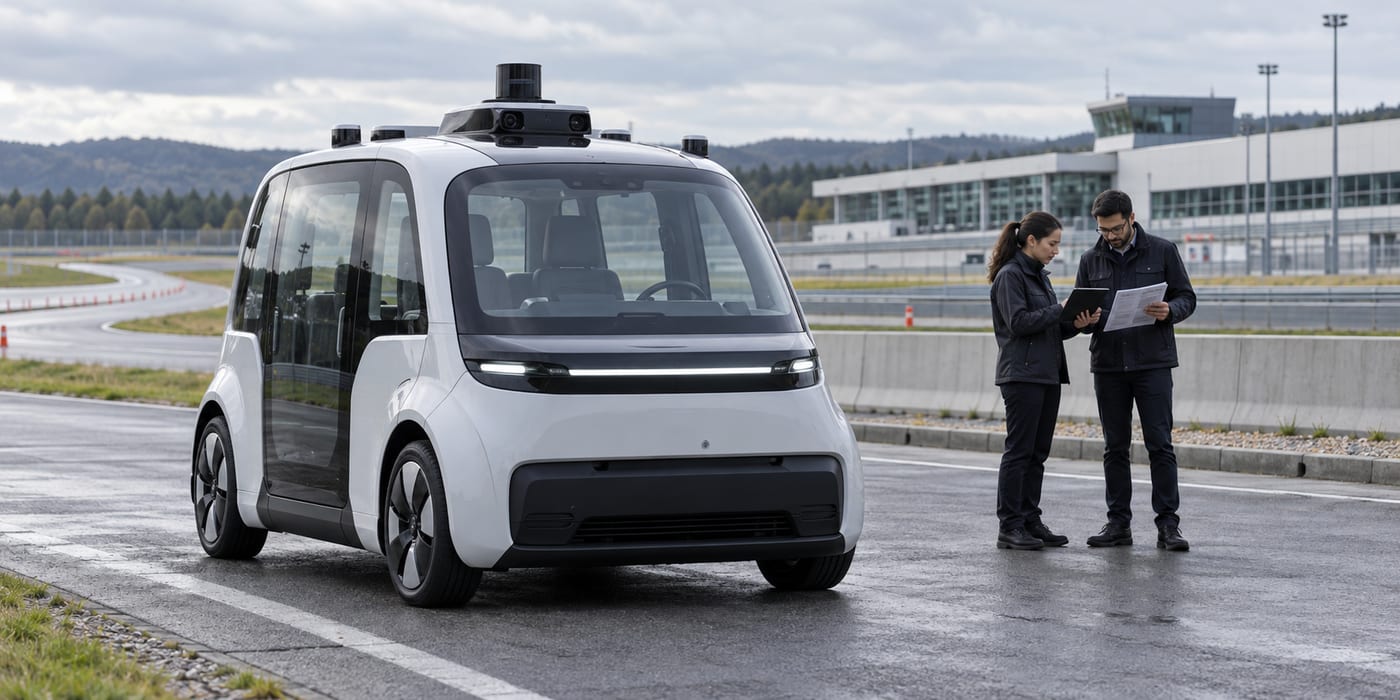
The National Highway Traffic Safety Administration has opened an audit query into Tesla’s certification that its Cybercab meets applicable federal motor vehicle safety standards. The agency announced the inquiry on September 4, after the driverless vehicles entered commercial service in Austin, Texas.
What NHTSA is asking
Automakers generally certify that vehicles comply with federal safety standards before they are sold or imported in the United States. NHTSA oversees that process and can investigate when questions arise about a vehicle’s compliance. In this case, the agency says it will review the technical data and processes Tesla used to support its self-certification.
The Cybercab is designed without traditional human controls. NHTSA says its audit query will examine, among other things, whether Tesla’s compliance framework treated certain requirements as inapplicable to an automated vehicle. The agency has not announced a finding that the Cybercab fails a safety standard. An audit query is a request to examine the basis for the certification, not a recall notice or a final enforcement decision.
Why self-certification matters
Federal vehicle regulation in the United States relies on manufacturers to certify compliance. That process allows vehicles to reach the market without a government crash test of every model before sale. NHTSA can review records, open an investigation, and take further action when evidence warrants it. The agency’s release says existing standards remain in force while broader rule updates are underway.
Automated driving raises practical questions about requirements written around a human driver. A vehicle with no steering wheel or conventional controls may interact with rules for controls, displays, braking, lighting, or occupant protection differently from a passenger car. That does not automatically exempt the vehicle. The manufacturer must have a defensible basis for its certification, and the regulator can examine that reasoning.
What the inquiry does and does not establish
NHTSA has said the inquiry will assess Tesla’s technical information and compliance process. The announcement does not state that the audit is complete, that a defect has been found, or that Cybercab owners must take action. No specific repair or remedy was announced in the release.
Readers should separate this vehicle-compliance question from how well an automated driving system performs in traffic. A car can raise questions about required hardware or test procedures even while separate safety questions concern how it detects road users, responds to unusual situations, and handles system failures. NHTSA’s audit focuses on the basis for the vehicle’s certification under applicable federal standards.
What happens next
The agency has not published a completion date for the audit query. Its review may lead to a request for more information or another enforcement step, but the September announcement does not predict an outcome. NHTSA is also working on broader updates to several vehicle standards. Until those changes take effect, the requirements already in force still apply, according to the agency.
For shoppers and readers following automated vehicles, the useful point is the status: NHTSA is examining the compliance record, and it has not issued a final conclusion in this matter. Auto Fieldbook’s Auto News section follows federal safety developments. Our coverage of vehicle technology looks at the systems and features drivers encounter in current vehicles.
Leave a Reply