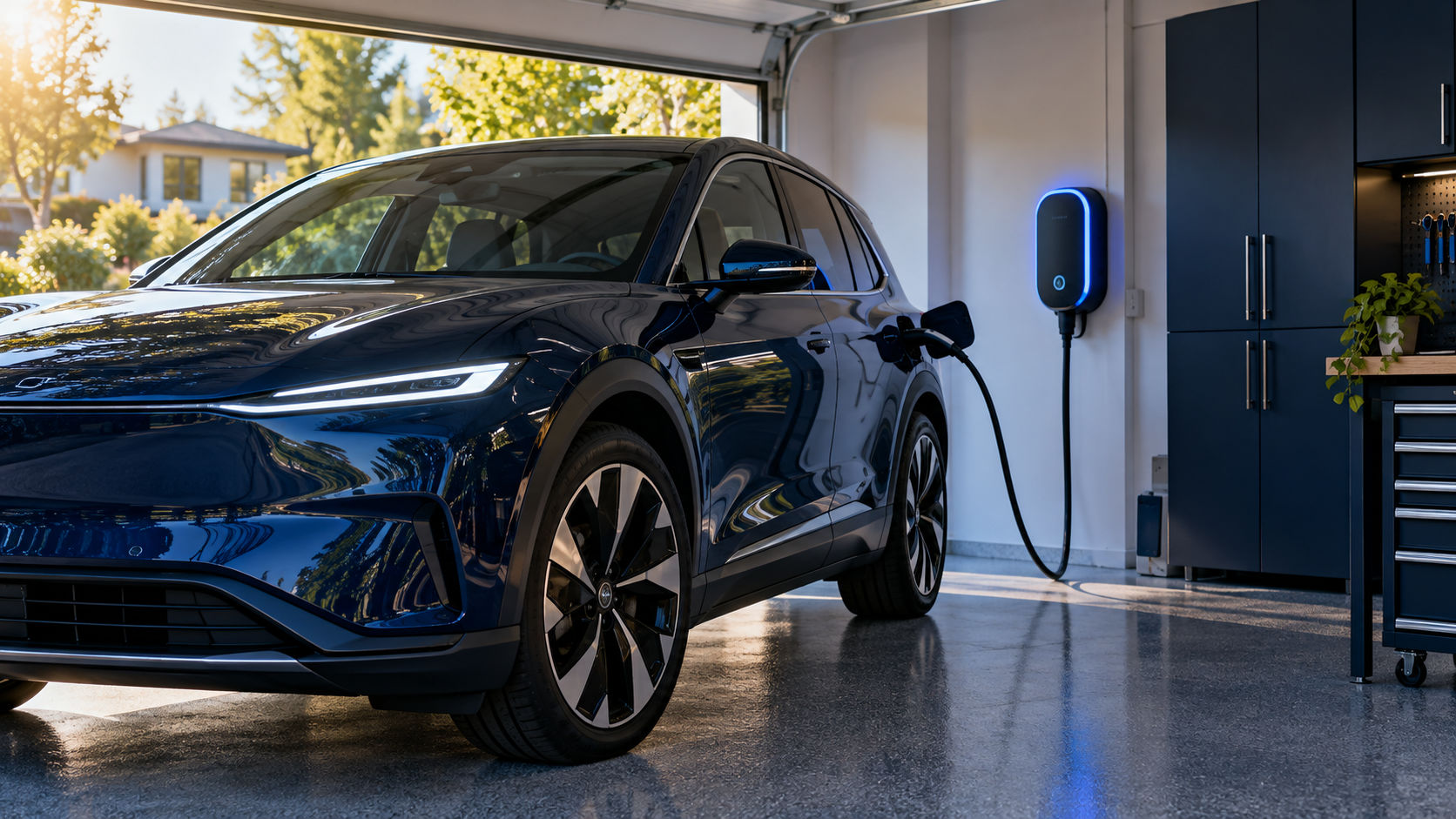
Home charging can turn an electric vehicle into a car that starts most mornings with enough energy for the day. The right setup depends on how far you drive, how long the car stays parked, the power available where you park, and whether you can install equipment. A faster wall unit is useful for some households, but many drivers can meet daily needs with a standard outlet.
Estimate your everyday charging need
Start with your typical weekly driving rather than the battery’s full capacity. Note the distance you drive on an average day and the number of hours the car remains parked at home. Then compare that need with the vehicle’s energy use and the charging time available. The label range is not a promise for every trip. Speed, weather, cabin heating or cooling, hills, and cargo can change consumption.
The U.S. Department of Energy’s Alternative Fuels Data Center (AFDC) describes Level 1 charging as using a 120-volt outlet and Level 2 as using 208- or 240-volt equipment. Charging speed varies with the vehicle’s onboard charger, the supply, and the battery’s condition. Treat broad miles-per-hour estimates as planning guides, not a guarantee for your car. The manual and the vehicle’s charging screen give more relevant information.
When Level 1 can work
Level 1 uses a household outlet and the portable cordset supplied or approved by the automaker. It can suit a driver with modest daily mileage, a smaller battery, or a car that sits at home for long periods. It also avoids installing a separate charging unit when an appropriate outlet is already available.
Check the owner’s manual before plugging in. It may specify a dedicated branch circuit and restrictions on extension cords or adapters. Do not use a damaged outlet, a loose plug, or equipment that gets unusually warm. If the cordset or receptacle shows scorching, cracking, or repeated interruptions, stop using it and have the circuit checked by a qualified electrician.
When Level 2 makes sense
Level 2 equipment uses a 208- or 240-volt supply and can restore more energy during a normal overnight parking period. It may suit longer commutes, two drivers sharing one car, a larger battery, or a household that wants to recover charge between evening trips. Compare the vehicle’s maximum AC charging rate with the unit’s output. A charger with a higher advertised output cannot make a car accept more power than its onboard charger allows.
Before buying equipment, ask a licensed electrician to assess the electrical panel, wiring route, circuit capacity, and local permit requirements. Utility rules and building codes vary by location. Choose equipment rated for the place it will be installed, including outdoor exposure if it will be outside. Position it so the cable reaches the charge port without crossing a walkway or creating a trip hazard. Avoid choosing by screen features alone; connection reliability, safety certification, cable length, and support matter in everyday use.
Charging in an apartment or shared garage
Drivers in multifamily housing may need approval from a landlord, building manager, homeowners’ association, or utility. Ask who pays for installation and electricity, how stations are assigned, and whether billing is separate for each resident. A shared Level 2 station can work when cars park for several hours, even if a private unit is not available. Workplace or public charging can fill the gap, but check opening hours and access rules before depending on it as your only option.
For shared installations, the property owner may need an electrician to review panel capacity and the path for conduit or networked meters. Keep written records of permissions and costs. A portable cordset should be used only with an outlet and circuit that the vehicle maker permits. Do not assume a common-area outlet is suitable for continuous vehicle charging.
Use scheduled charging thoughtfully
Many cars and charging units let you set a schedule. This can make use of a utility’s lower off-peak rate if one is offered, and it can avoid charging during a household’s busiest electrical period. Confirm the schedule after a software update or daylight-saving change. If a long trip is planned, make sure the car will reach the charge level you need before departure.
Follow the battery-care guidance for your exact model. A daily charge target may be adjustable, but the recommended setting varies by vehicle and battery chemistry. The AFDC explains that drivers who lack overnight charging can still combine workplace and public charging, though the routine takes more planning.
For public options, see our guide to using public EV chargers. The AFDC’s home-charging guide covers outlet types, installation considerations, and multifamily housing. Always use the vehicle manual and a qualified electrician for model-specific or electrical work.