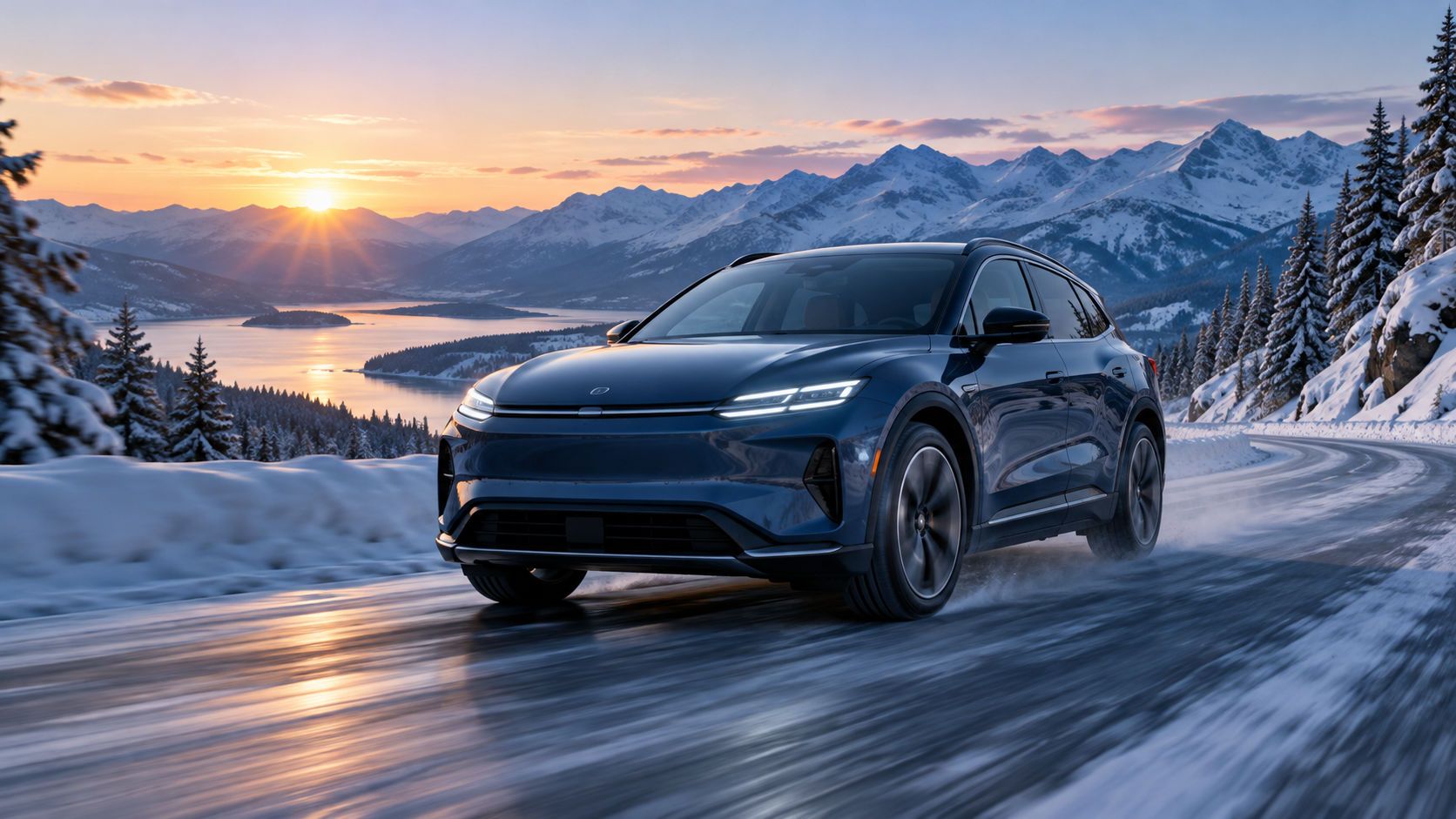
Cold weather can reduce an electric vehicle’s available range and increase the energy it uses. The size of the change depends on the vehicle, temperature, trip length, speed, cabin heat, battery condition, and whether the car can warm its battery efficiently. A winter route works better when you plan around those conditions than when you assume the dashboard’s mild-weather estimate will hold.
Why winter changes energy use
A battery performs differently when cold, and the car may use energy to bring it into a suitable operating temperature. Cabin heating also draws electricity. Short trips can be less efficient because the car has less time to reach its preferred temperature. Highway speed, headwinds, slush, snow, and low tire pressure can add to consumption.
The Department of Energy’s analysis of cold-weather EV performance identifies battery chemistry and cabin heating loads as factors in higher winter energy use. It also notes that technologies such as heat pumps, heated seats, and cabin preconditioning can reduce some of the impact, depending on the model and conditions. The energy effect varies, so avoid applying a single percentage to every EV or every winter journey.
Warm the cabin while the car is plugged in
If your vehicle supports scheduled departure or preconditioning, set it while the car is connected to charging equipment. The grid can supply some of the energy used to warm the cabin before you leave, preserving more battery energy for driving. Check the vehicle settings because some systems warm the battery, the cabin, or both, and they may behave differently when unplugged.
A heat pump can use energy more efficiently than resistance heating in many conditions, but operation and performance vary by design and temperature. Heated seats and a heated steering wheel can keep occupants comfortable while allowing a lower cabin thermostat setting. Use the controls that feel comfortable and safe for your drive. Clear all windows fully before moving.
Plan for charging speed and stops
Fast charging can take longer when the battery is cold. Some EVs can prepare the battery for a fast charger when it is entered as a destination in the navigation system. Others require a separate setting or do not offer battery preconditioning. Consult the manual before a winter trip and allow time for the feature to work.
Route planning apps can estimate arrival charge, but weather, elevation, traffic, wind, and driving speed can change the result. Use the vehicle’s current estimate, add a reserve for unexpected delays, and identify another compatible charger along the route. Check whether stations are outdoors, open in the hours you expect, and accessible during storms. For remote roads, call ahead when a station’s status is uncertain.
Take care of tires and the parked car
Measure tire pressure when the tires are cold and use the vehicle’s door label or manual. Pressure often changes as temperatures fall. Inspect tread and sidewalls, and use winter tires when conditions and local guidance call for them. Snow tires can improve traction, though the vehicle may use more energy depending on design and conditions.
When parking for a long period, follow the automaker’s instructions for the battery’s charge level and whether to leave the car connected. If the car is covered in snow, keep battery and charging inlets free of packed ice and never force the connector or flap. Do not use a damaged cable or heat a charge port with an open flame or device the manufacturer has not approved.
Use the energy display as a guide
Pay attention to recent consumption rather than relying on a fixed miles-per-charge number. On a cold morning, the first part of a trip may use more energy as the cabin warms. A longer journey may settle into a different pattern. Reduce unnecessary high-speed driving, combine errands when practical, and select an efficient drive mode if it maintains safe handling.
If the vehicle shows a battery or temperature warning, follow its on-screen instructions. Do not assume range loss is a fault, but arrange service if the car reports a system issue or charging behavior changes sharply without an obvious reason.
The Department of Energy’s winter EV guidance and its cold-temperature performance analysis explain these effects in more detail. For charging stops and connector checks, see our public charging guide.
Leave a Reply