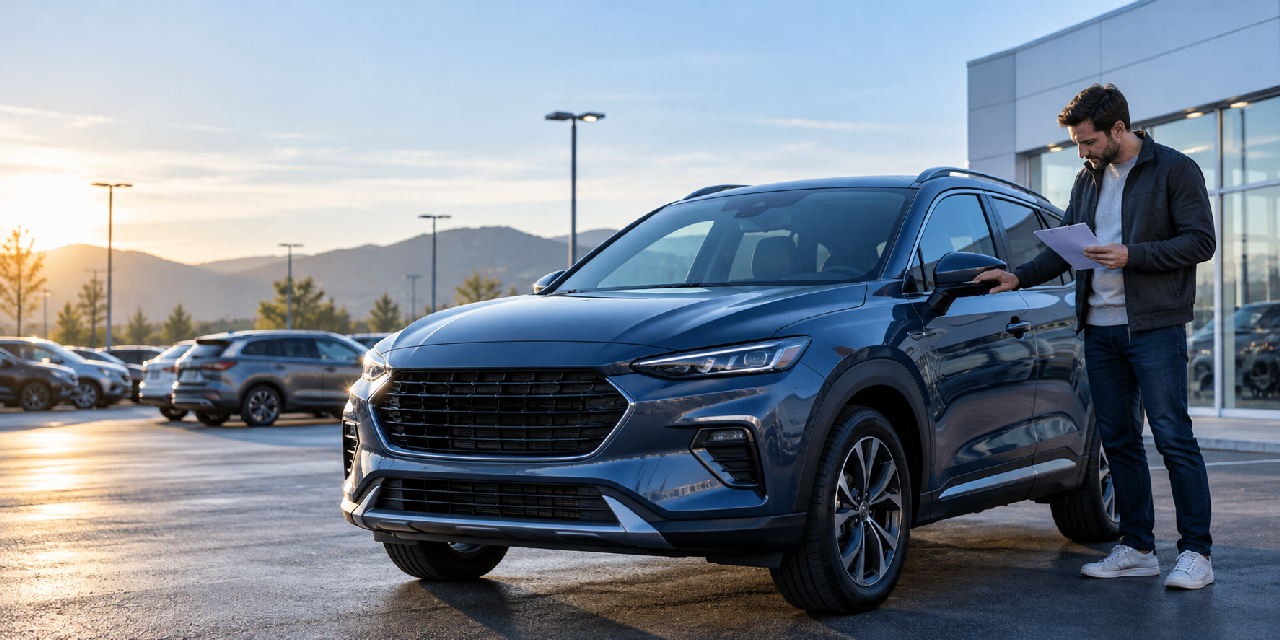
The price on a window sticker is only one part of what a car will cost you. Insurance, fuel or electricity, maintenance, registration, financing, and parking can change which vehicle is affordable after the purchase. A useful budget starts with the way you will use the car, then works backward from the total amount you can spend.
This guide gives you a practical way to set that limit before visiting a dealer or contacting a private seller. It is written for readers in different markets, so taxes, consumer protections, and financing rules should be checked with the relevant local authority.
1. Define what the car needs to do
Write down the jobs the vehicle must handle in an ordinary month. Think about the people who usually ride with you, the longest routine trip, the type of roads you use, the items you regularly carry, and where the car will be parked. A household that drives mostly short city trips has different needs from someone who regularly carries tools or drives long distances.
Separate requirements from preferences. A requirement might be space for two child seats, a towing capacity confirmed for your trailer, or enough ground clearance for a rough access road. Preferences might include a panoramic roof, a larger screen, or a higher trim. This distinction helps you avoid paying for equipment that does not solve a real problem.
Before comparing models, check that the vehicle can fit your actual routine. Sit in the front and rear seats. If you use child seats, bring them and try the installation. Put a stroller, mobility aid, work equipment, or luggage in the cargo area. Measure a narrow garage or parking space rather than relying on a model name such as “compact.”
2. Set a total monthly ownership limit
Choose a monthly amount that covers the car as a whole. Make a separate line for each recurring or predictable cost:
- Loan or lease payment, if applicable.
- Insurance quoted for the exact vehicle and driver profile.
- Fuel or charging based on your usual distance and local energy prices.
- Routine servicing, tires, and an allowance for repairs.
- Registration, road taxes, inspection fees, or similar local charges.
- Parking, tolls, ferry costs, or other regular travel expenses.
Estimate running costs using your own driving. Start with the distance you expect to cover in a typical month. Use the vehicle’s published consumption figure as a starting point, then check what owners or an independent efficiency source report for your route and conditions. Multiply expected fuel use by the local price. For an electric vehicle, estimate home and public charging separately if their prices differ. The result is a planning estimate, not a guarantee: weather, traffic, payload, speed, and driving style can change consumption.
Insurance deserves an early check. Ask for a quote using the vehicle’s exact year, trim, engine or battery configuration, and your location. Two versions of the same model can have different premiums. If you are comparing a new and used car, compare the insurance cost for each before settling on a purchase price.
Keep a repair reserve outside the payment calculation. A car can fit the monthly budget and still strain your finances when tires, a battery, or an unexpected repair comes due. The amount to set aside depends on your income, vehicle age, warranty, local labor costs, and the repair risks you can absorb. Do not assume that a warranty pays for every repair. Read its exclusions and service requirements.
3. Work out the purchase amount you can afford
Decide how much cash you can put toward the purchase without using money needed for rent, food, bills, emergency savings, or other obligations. Keep room for immediate costs such as taxes, registration, inspection, delivery, or required equipment. These items vary by jurisdiction and seller, so ask for an itemized written total.
When comparing dealer offers, request the out-the-door price before discussing monthly payments. In the United States, the Federal Trade Commission recommends getting that total in writing, including taxes and fees, before financing. The FTC’s financing and leasing guide explains why this makes it easier to compare offers and spot additions. Other countries use different terminology and fee rules, so ask for the complete amount payable to take delivery.
A trade-in can reduce the amount you need to finance, but compare its value separately from the price of the next car. If you still owe money on the current vehicle, find out the exact payoff amount and how any difference will be handled. A low new payment can hide a larger loan when old debt, extras, or fees have been folded into it.
4. Compare loans by their full cost
If you plan to borrow, get more than one written offer before choosing a vehicle. Compare the amount financed, annual percentage rate (APR), interest rate, loan length, payment, and total of payments. A longer term can reduce each monthly payment while increasing the interest paid over the life of the loan. The Consumer Financial Protection Bureau (CFPB) explains these comparisons and provides an auto loan worksheet.
Use the payment to check the budget, not to determine the car’s price. A useful comparison is:
- Amount financed: the price and charges being borrowed, minus the down payment and any trade-in credit.
- Total loan payments: the monthly payment multiplied by the number of payments, using the lender’s disclosed schedule.
- Total purchase cost: upfront amounts plus all scheduled payments and any mandatory final payment or fee.
- Early-payment terms: whether paying the loan off sooner changes the amount owed or triggers a charge in your market.
A lender may quote a rate that depends on credit history, down payment, vehicle age, or other factors. Treat a pre-approval as a conditional offer and check how long it remains valid, which vehicle types qualify, and whether the final contract changes any term. The CFPB notes that bank, credit union, dealer, and manufacturer-linked financing can have different offers.
5. Review add-ons one by one
Dealers may offer service contracts, gap coverage, paint protection, theft deterrents, or other products. Each one changes the price and may also increase the amount of interest you pay if it is financed. Ask for the name, price, coverage period, exclusions, cancellation terms, and provider of every product. Compare it with alternatives available independently.
The FTC describes add-ons as optional products and says buyers should check that the final contract lists only items they agreed to buy. Read the final order and financing documents slowly. Ask for a clean copy if a fee is unclear. Do not sign while the written total differs from the offer you accepted. Rules differ by country, but an itemized contract is useful everywhere.
6. Compare the cars, not just the quotes
Once your budget is clear, shortlist vehicles that meet the requirements you wrote down. Compare the same model year and equipment level where possible. A lower purchase price can be offset by an expensive insurance quote, a fuel use that does not match your route, or service costs that are difficult to manage where you live.
For a used vehicle, include an independent inspection and any immediate repairs in the decision. The FTC’s used-car guidance recommends an independent mechanic’s inspection and notes that a vehicle history report does not replace it. Use the report as one source of information, then check the car itself and its paperwork. Our used-car buying checklist covers those steps in more detail.
Safety ratings can help you narrow a shortlist, but check the exact model year and market. Test programs assess particular vehicles and tests; the rating alone does not tell you whether a car fits your passengers or whether the version offered locally has the same equipment. Our guide to comparing car safety ratings explains what to verify.
7. Stress-test your plan before committing
Run the numbers again with less favorable assumptions. What if fuel or electricity costs more than expected? What if the insurance quote changes after the insurer checks the full details? Can you keep up with the payment if your income drops temporarily? Would a large repair force you to use a high-cost loan? The answers help you decide whether to choose a less expensive car, increase your down payment, or wait.
A practical worksheet can stay simple: list the complete purchase price, upfront cash, loan amount, rate, term, total payments, insurance quote, expected energy use, regular fees, and repair reserve. Keep the seller’s written offer and the lender’s written terms beside it. If a figure is missing, ask for it before signing.
A final buying checklist
- The vehicle meets written needs for space, roads, passengers, and cargo.
- Insurance and local ownership costs have been checked for the exact version.
- The full purchase price is itemized before financing.
- Loan offers are compared by APR, term, amount financed, and total cost.
- Trade-in equity and any existing loan payoff are shown separately.
- Every add-on is identified, priced, and either accepted or removed.
- For a used vehicle, inspection, history, recalls, and paperwork are included in the decision.
- The final contract matches the figures you agreed to review.
If the numbers work only when you ignore insurance, repairs, or the total loan cost, the vehicle is outside the budget you set. Adjust the shortlist before you commit.
Leave a Reply